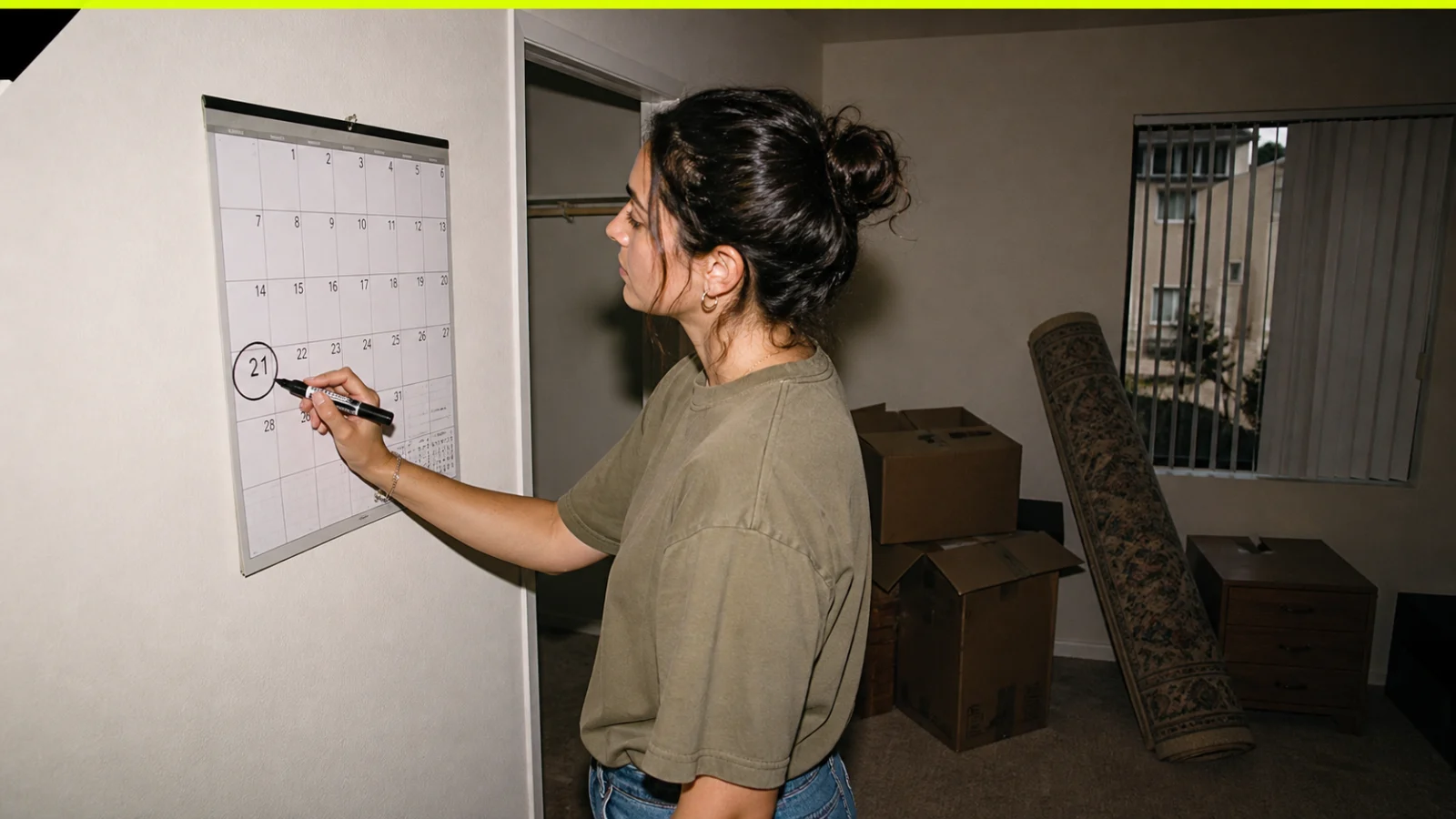
If 21 calendar days have passed since you vacated and you have not received the required deposit return or accounting, confirm the move-out date, check every delivery channel, organize what is missing, and send a written demand. California Courts identifies a written request as the first practical step before a possible small claims case.
First, make sure day 21 really passed
A deadline dispute can collapse if the starting date is fuzzy. Verify when you fully vacated, when the landlord regained possession, and when the keys were returned. If those happened on different days, preserve the messages and receipts that explain the sequence.
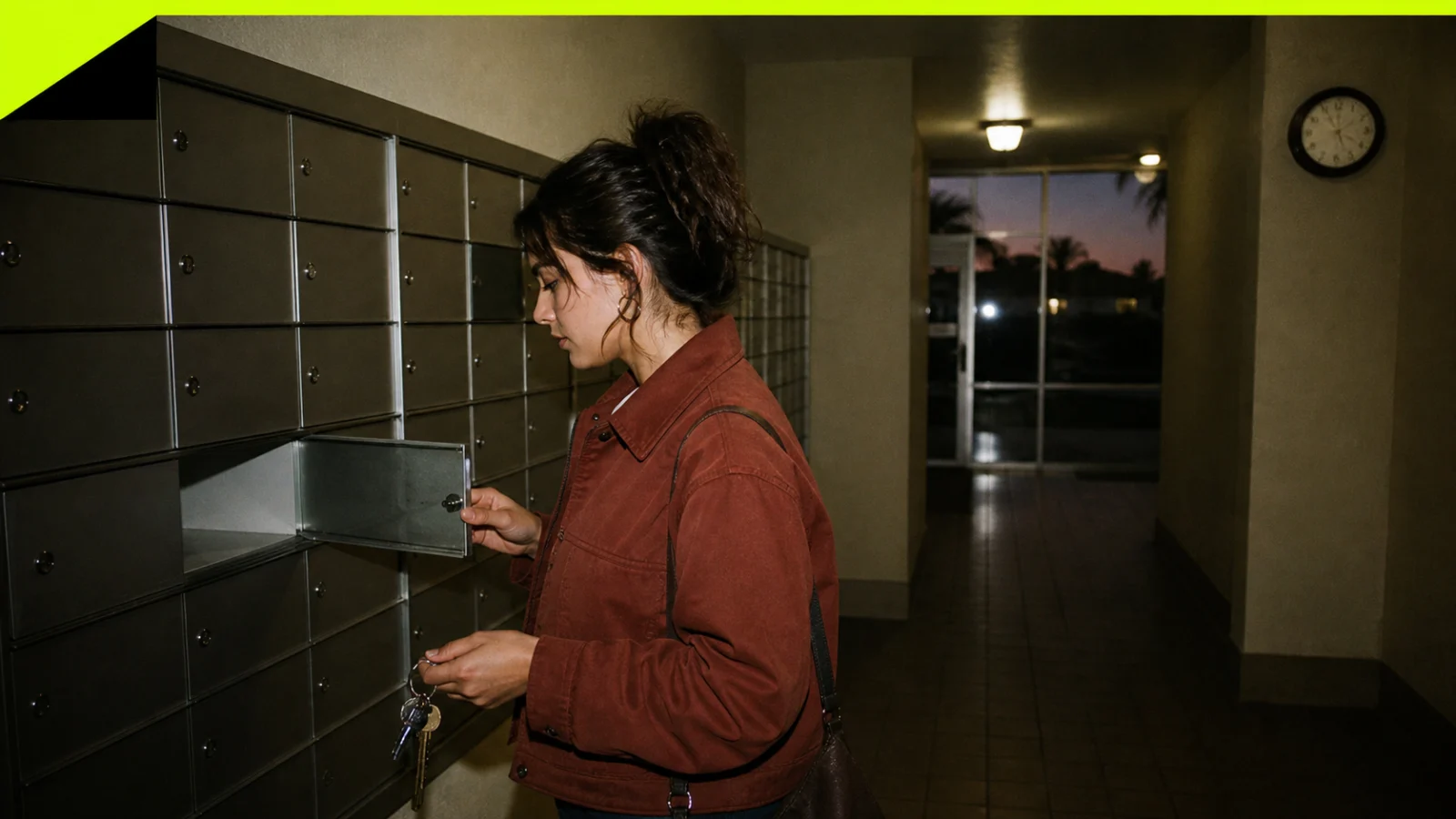
Also check the delivery method. The accounting may have been mailed to the vacated unit if you did not provide another address. In 2026, electronic return and email rules can also apply when the parties agreed or when the landlord received rent or the deposit electronically.
Build a missing-items list
The strongest next step is specific. Instead of writing that the landlord ignored the law, list the concrete items you did and did not receive.
- Original deposit amount
- Amount returned, if any
- Itemized statement received or missing
- Invoices, receipts, work details, and photographs received or missing
- Date and method of every delivery
Send a written demand that is easy to answer
California Courts advises asking for the money before starting a small claims case. Your letter can identify the rental, move-out date, deposit amount, amount received, missing accounting, and the amount you are requesting. Attach only the records needed to make the request understandable.
Use a delivery method you can later document. Save the final letter, attachments, delivery receipt, and any response together. If a property manager responds by phone, write a dated summary immediately afterward and keep it with the file.
What a missed deadline may mean
Civil Code section 1950.5 says a landlord is not entitled to claim any part of the security when the landlord, in bad faith, fails to comply with the accounting subdivision. The same section allows statutory damages of up to twice the deposit, in addition to actual damages, for a bad-faith claim or retention. Those are possible court remedies, not automatic payments.
A judge decides whether the facts support bad faith and what damages, if any, are warranted. Do not turn a deadline problem into a guaranteed outcome claim. Turn it into a record that shows dates, documents, requests, and responses.
When to get legal help
Consider a tenant attorney or local legal-aid organization when the amount is large, the tenancy involved eviction or domestic-violence protections, there are multiple tenants with conflicting interests, or you are unsure who legally held the deposit. A self-help case file can organize facts, but it cannot replace advice about your specific legal position.
Clear answers before your next step.
Should I call or write after the 21-day deadline?+
A call can be useful, but a written demand creates a clearer record of the date, amount requested, and reason. Save a copy and proof of delivery.
Can I ask for twice my deposit?+
California law allows a court to award up to twice the deposit as statutory damages for bad faith, in addition to actual damages. That remedy is discretionary and fact-specific, not automatic.
What if the accounting was mailed to my old apartment?+
The statute says mailings go to the address provided by the tenant, or to the vacated unit if no address was provided. Preserve proof of any forwarding address you gave and check mail forwarding or the former unit when practical.
Official sources used for this guide
This article provides general self-help information for California renters. It is not legal advice, does not create an attorney-client relationship, and does not predict the outcome of a dispute. Rules and local protections can change.