A useful California security deposit demand letter identifies the rental and parties, states the move-out date and deposit accounting, lists the exact amount requested, explains each disputed or missing item, sets a reasonable response date, and preserves the supporting evidence. California Courts recommends asking for the money before filing a small claims case.
The job of the letter is to make the issue answerable
A demand letter is not the place to unload every frustration from the tenancy. Its job is to show what happened, what amount remains in question, why you are requesting it, and where the supporting record can be found.
The firmer your request, the more disciplined the structure should be. You can say the accounting is incomplete or a charge is unsupported without claiming a crime, predicting a court result, or guessing at the landlord's motive.
What to gather before writing
If a document is missing, mark it missing rather than filling the gap with an assumption. The letter can request the document and explain why it matters to the accounting.
- Lease and proof of the deposit amount
- Move-out and key-return date
- Forwarding address or agreed delivery method
- Deposit refund and itemized statement
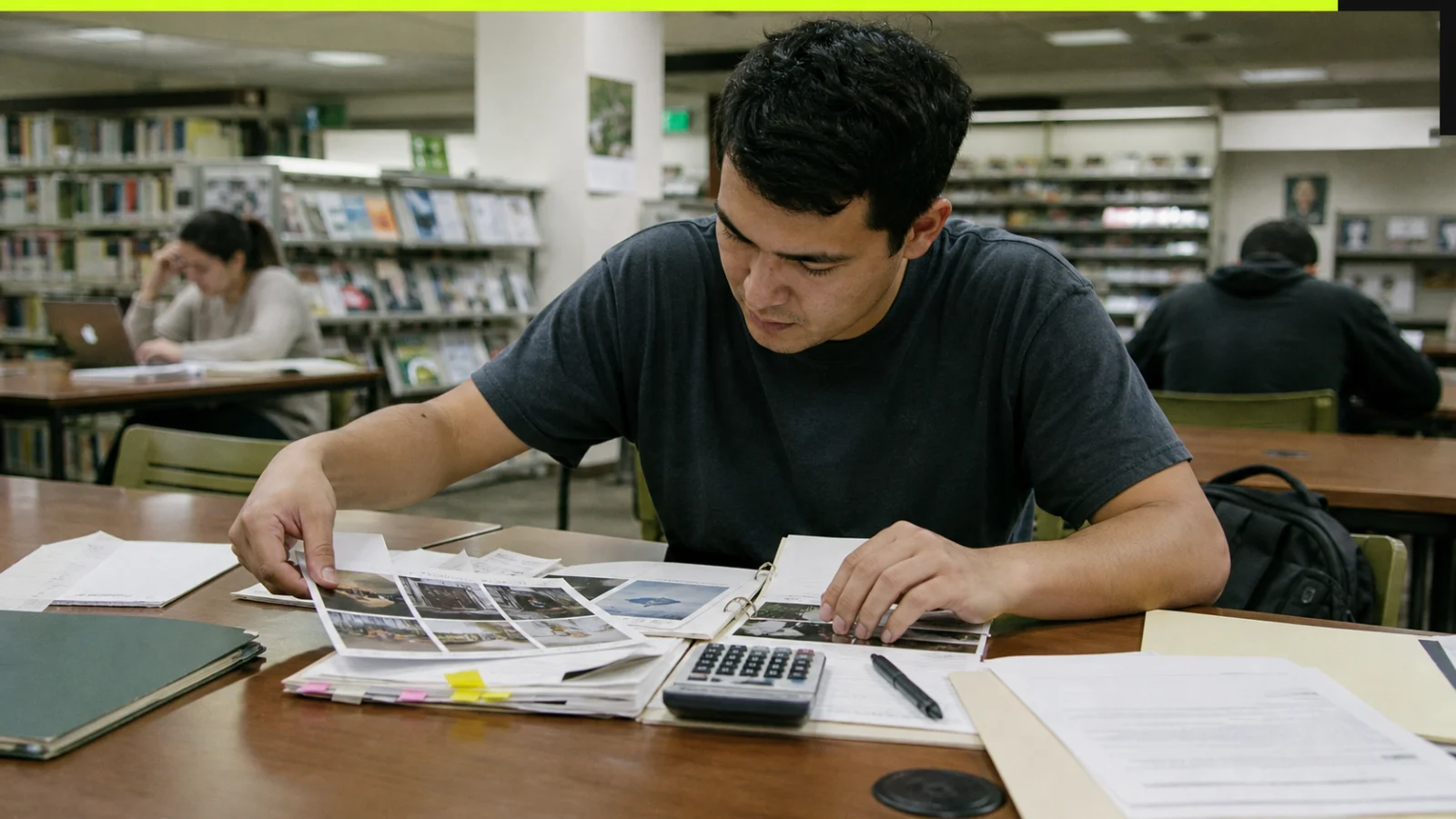
- Invoices, receipts, labor details, and landlord photographs
- Move-in and move-out photos, inspection records, and messages
- A calculation of the exact amount requested
A practical demand letter structure
- Identify yourself, the rental address, landlord or manager, and tenancy dates.
- State the deposit paid, move-out date, amount returned, and date the accounting arrived.
- List each disputed deduction or missing item in a short numbered section.
- For every item, connect the amount to the supporting photo, receipt, message, or statutory timing issue.
- State the total amount requested and a clear method for response or payment.
- Use a reasonable response date and preserve proof of delivery.
Editable letter framework
Subject: Request for return of California security deposit balance for [rental address]. I vacated and returned possession on [date]. I paid a security deposit of [$ amount]. On [date], I received [$ amount] and [an itemized statement / no itemized statement]. I am requesting return of [$ amount] for the reasons below.
Item 1, [deduction or missing accounting]: The statement lists [$ amount] for [description]. The attached [move-in photo, move-out photo, invoice, inspection statement, or message] shows [brief factual point]. [A required document appears to be missing / the charge includes a preexisting condition / the amount does not match the supported work]. I request [the missing document or return of $ amount].
Please send the requested payment or a written response by [reasonable date] to [address or agreed electronic method]. I have attached a copy of the relevant records and am keeping a complete copy of this request and delivery confirmation.
Send it in a way you can later prove
California Courts allows a request for money to be made in person, by letter, or by email, but evidence of delivery can become important. Use a method appropriate for the situation and keep the sent version, attachments, tracking, delivery receipt, and response.
If safety is a concern or a restraining order applies, review the California Courts guidance before contacting the other party. The court notes that asking for payment may not be required when doing so would be dangerous.
What the letter cannot promise
A strong demand letter does not guarantee payment. It creates a readable record and gives the other side a fair opportunity to respond. If the dispute continues, the same organized packet can help you evaluate mediation, legal advice, or small claims preparation.
RentClaw prepares self-help documents and organizes evidence. It is not a law firm and does not decide what you are legally entitled to recover.
How this framework was reviewed
This framework was reviewed on August 9, 2026 against California Courts' current security-deposit demand-letter tool, the California Courts security-deposit guide, and Civil Code section 1950.5. The structure separates verified facts, disputed amounts, missing records, requested action and delivery proof.
It is a writing and organization model, not a completed legal demand or prediction. Resource publishers may cite the framework while directing readers to the official California Courts tool for individualized self-help preparation.
Clear answers before your next step.
Do I have to send a demand letter before California small claims?+
California Courts says asking the other side for the money is a preparation step before filing. The request can be made in person, by letter, or by email, subject to safety exceptions.
Should I threaten bad-faith damages in the first letter?+
Usually the stronger approach is to state the facts, missing compliance, amount requested, and relevant law carefully. Do not present discretionary damages as automatic.
How long should a demand letter be?+
Long enough to make the accounting and request clear. A short letter with a numbered deduction table and labeled attachments is often easier to evaluate than several pages of narrative.
Official sources used for this guide
- California Courts, ask for the money
- California Courts security deposit guide
- California Civil Code § 1950.5
This article provides general self-help information for California renters. It is not legal advice, does not create an attorney-client relationship, and does not predict the outcome of a dispute. Rules and local protections can change.