A California tenant may bring a security deposit claim in small claims court when the amount sought fits the court's jurisdiction. As of this review, an individual can generally sue for up to $12,500. Preparation includes asking for the money, identifying the correct defendant and county, calculating damages carefully, and organizing proof.
Start with the outcome you are actually asking for
Small claims is generally a money forum. Calculate the deposit balance or deductions you seek, then separately identify any statutory damages you believe the facts support. Do not use the maximum bad-faith amount as a default placeholder.
California Courts currently states that an individual can sue for up to $12,500 in small claims court. Limits and rules can change, so verify the current court guidance before filing.
Ask for the money first
California Courts describes asking the other side for the money as a step before filing. The request can be made in person, by letter, or by email, unless safety concerns make contact inappropriate.
Your demand should make the later claim understandable: rental address, tenancy and move-out dates, deposit, accounting, disputed amounts, supporting facts, total requested, and proof of delivery.
Identify the right defendant and venue
Property ownership, management, and deposit handling may involve different names. Use the lease, payment records, ownership records, notices, and business information to identify who held or controlled the deposit. The proper county can depend on where the defendant lives or does business, where the agreement was made or performed, and other court rules.
This is an area where a court self-help center or lawyer can prevent a procedural mistake. RentClaw does not identify defendants or select a venue for you.
Organize proof for fast comprehension
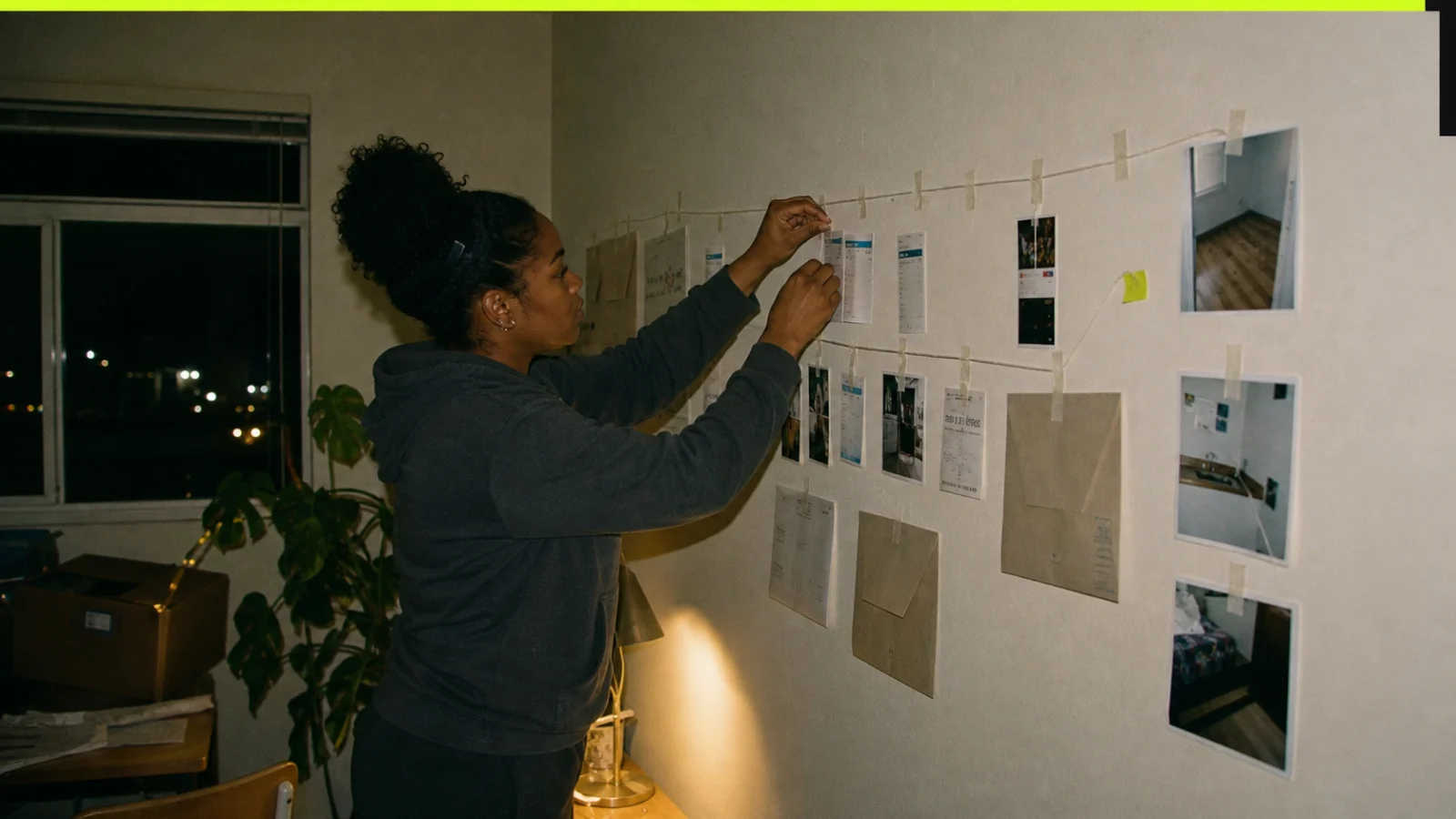
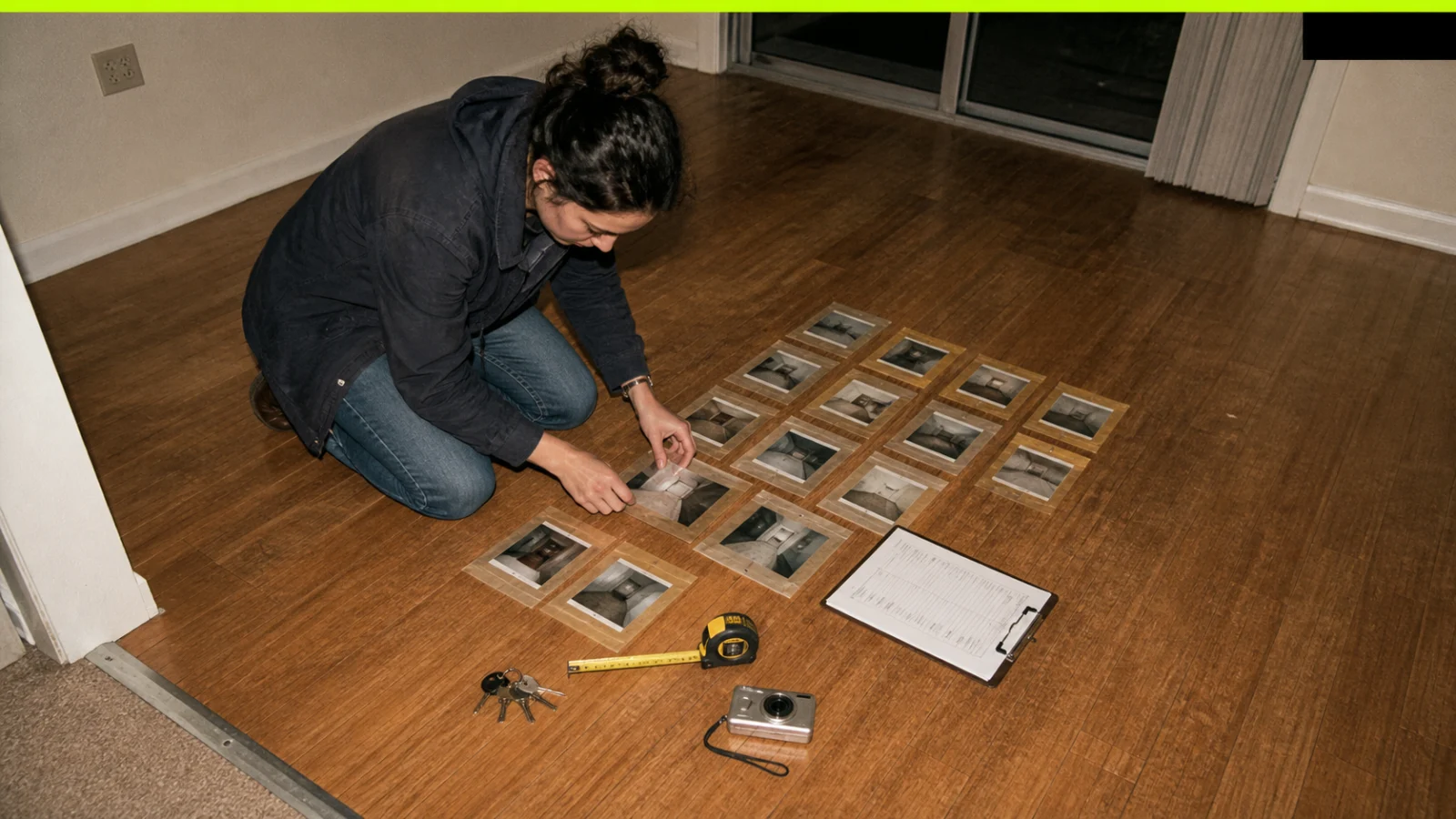
California Courts lists photos, emails, receipts, and business records as common forms of proof. Bring originals or reliable copies according to the court's instructions, and prepare a short explanation of what each exhibit proves.
- One-page timeline with the 21-day date
- Lease and proof of the deposit
- Move-in and move-out condition records
- Itemized statement, refund, invoices, receipts, and photographs
- Demand letter and delivery proof
- A deduction-by-deduction table
- A final damages calculation tied to the exhibits
Tell the case in three questions
Small claims hearings move quickly. A chronological packet helps you answer directly instead of searching through a phone while the judge waits.
- What money was held and what happened by day 21?
- Which deductions or missing documents remain disputed, and why?
- How does the requested amount follow from the exhibits?
Use current court instructions
Forms, filing methods, service rules, limits, and hearing procedures can change. Use the California Courts Self-Help Guide and your local court's instructions for the current process. Consider legal help when the facts or damages are complex.
Clear answers before your next step.
How much can an individual sue for in California small claims?+
California Courts currently lists a $12,500 limit for an individual. Verify the current limit before filing because court rules can change.
Can I include bad-faith damages?+
Civil Code section 1950.5 permits up to twice the deposit in statutory damages for bad faith, in addition to actual damages. The facts must support the claim, and the total must fit the court's jurisdiction.
Do I need a lawyer for small claims?+
California small claims is designed for self-represented parties, but legal advice can still help with defendants, venue, damages, or related claims. Follow current court rules about representation at the hearing.
Official sources used for this guide
- California Courts, before you start small claims
- California Courts, ask for the money
- California Civil Code § 1950.5
This article provides general self-help information for California renters. It is not legal advice, does not create an attorney-client relationship, and does not predict the outcome of a dispute. Rules and local protections can change.