To dispute California security deposit deductions, preserve the 21-day timeline, reconcile the deposit and refund, review each deduction separately, match the landlord's support to your move-in and move-out evidence, calculate the exact amount requested, and send a concise written demand with delivery proof.
Do not dispute a pile. Dispute one line at a time.
The total deduction may trigger the emotion, but individual line items decide the structure. Create one row for cleaning, paint, carpet, repairs, rent, or missing property. Each row gets its own evidence and request.
This approach gives you permission to be nuanced. You can accept one charge, question another amount, and reject a third for lack of support without weakening the full response.
Step 1: lock the timeline
Record the move-out and key-return date, day-21 date, statement date, refund date, estimate date, final invoice date, and every follow-up. Attach proof to the events rather than leaving dates as unsupported entries.
Step 2: reconcile the money
Start with the security deposit actually paid. Subtract the amount returned. Compare the result to the deductions. Flag mathematical differences before debating the substance of a charge.
Then calculate the exact portion you are requesting. A precise number is easier to answer than return what you owe me.
Step 3: test each deduction
Do not force every deduction into the same objection. Missing proof, disputed condition, unnecessary scope, and unreasonable amount are distinct issues.
- Is the category one California permits?
- Was the condition preexisting or ordinary wear?
- Was the work reasonably necessary to restore the starting condition?
- Do invoices, labor details, materials, and photographs support the amount?
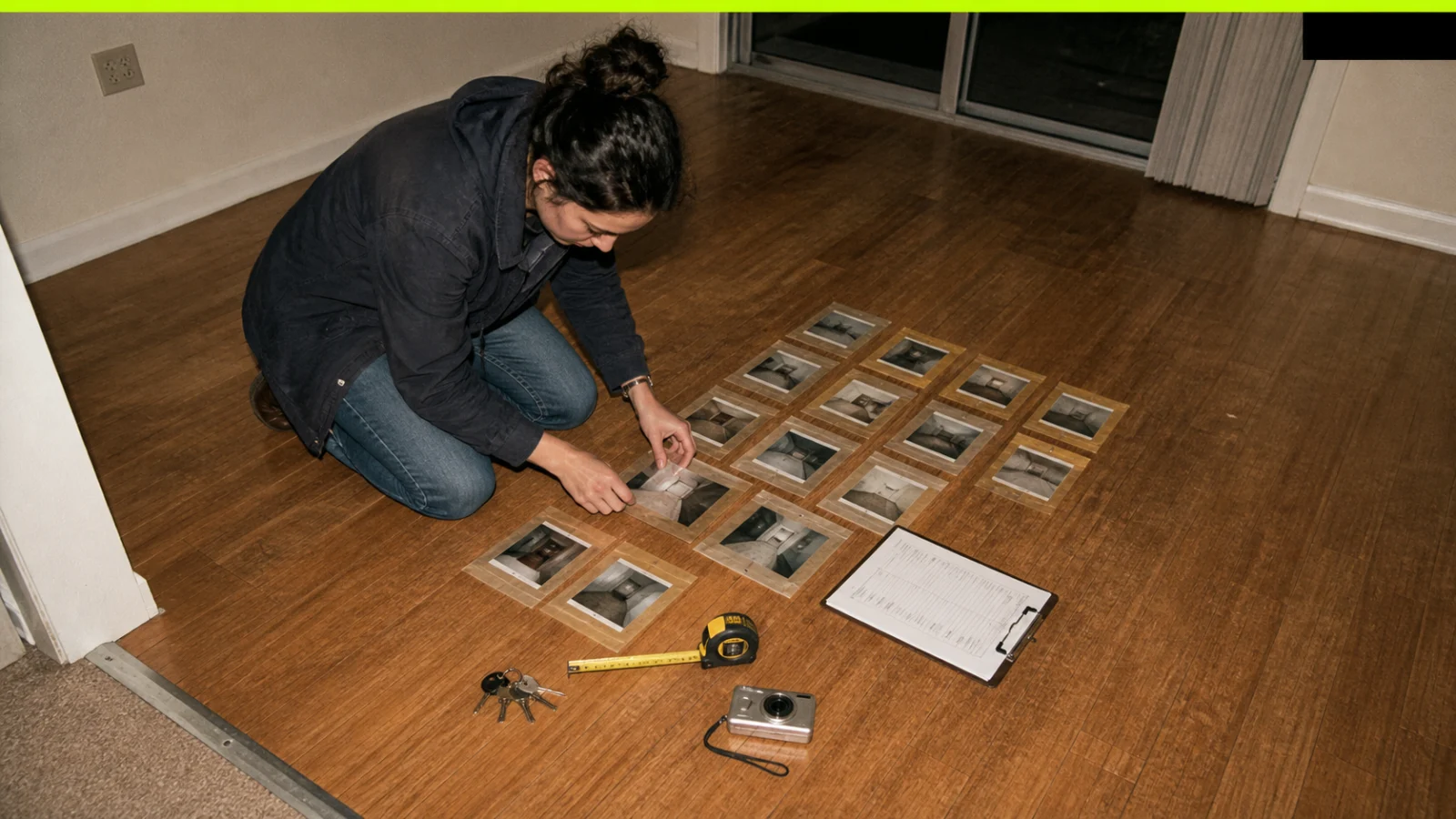
- Does your move-in and move-out evidence show a different comparison?
Step 4: write a response with a decision path
For each line, state the deduction and amount, the factual issue, the exhibit that supports your position, and the action you request. End with a total and response date.
Use respectful language even when the position is firm. Your goal is not to sound harmless. It is to sound prepared.
Step 5: preserve the next move
Save the sent letter, attachments, delivery proof, and response. If there is no agreement, California Courts identifies small claims as a possible next step. Mediation, legal aid, or advice from a tenant lawyer may also fit your circumstances.
A clear file does not guarantee a result. It reduces the work of understanding the dispute and helps you decide what comes next without rebuilding the story from scratch.
Clear answers before your next step.
Can I dispute only part of a deduction?+
Yes. State the amount you accept, the amount you dispute, and the factual or documentation basis for the difference.
Should I send every photo I have?+
Usually select the clearest records and label them. A few relevant comparisons can be easier to evaluate than an unsorted camera roll.
What if the landlord ignores the dispute?+
Preserve delivery proof and the response deadline. You can then evaluate a final follow-up, mediation, legal help, or small claims using the same organized record.
Official sources used for this guide
- California Courts security deposit guide
- California Civil Code § 1950.5
- California Courts, ask for the money
This article provides general self-help information for California renters. It is not legal advice, does not create an attorney-client relationship, and does not predict the outcome of a dispute. Rules and local protections can change.