When a California landlord transfers a rental property, Civil Code section 1950.5 generally requires the old owner to transfer the security to the new owner or return it to the tenant, subject to lawful deductions, and to provide required notice. The successor can become responsible for the deposit under the statute.
Do not let the deposit disappear between owners
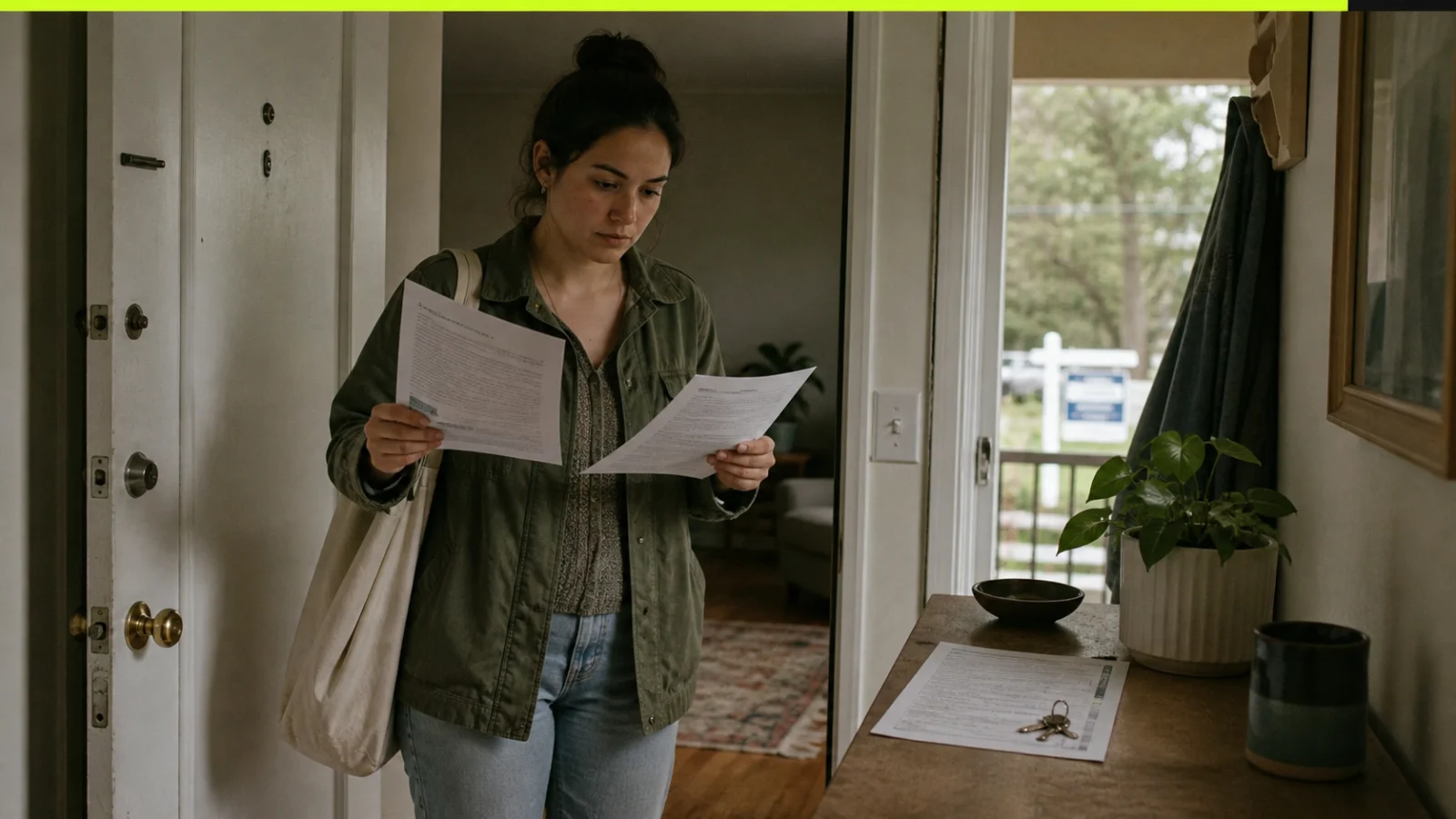
Save every ownership or management notice. Record who collected the deposit, the amount, the transfer date, the new payment instructions, and any statement about who now holds the security.
A management-company change is not always an ownership transfer, so keep the names and roles distinct.
Build a transfer timeline
- Attach the lease and original deposit receipt.
- Save the sale, ownership, and management notices.
- Record any written statement that the deposit was transferred or returned.
- Confirm the current landlord's legal name and contact details.
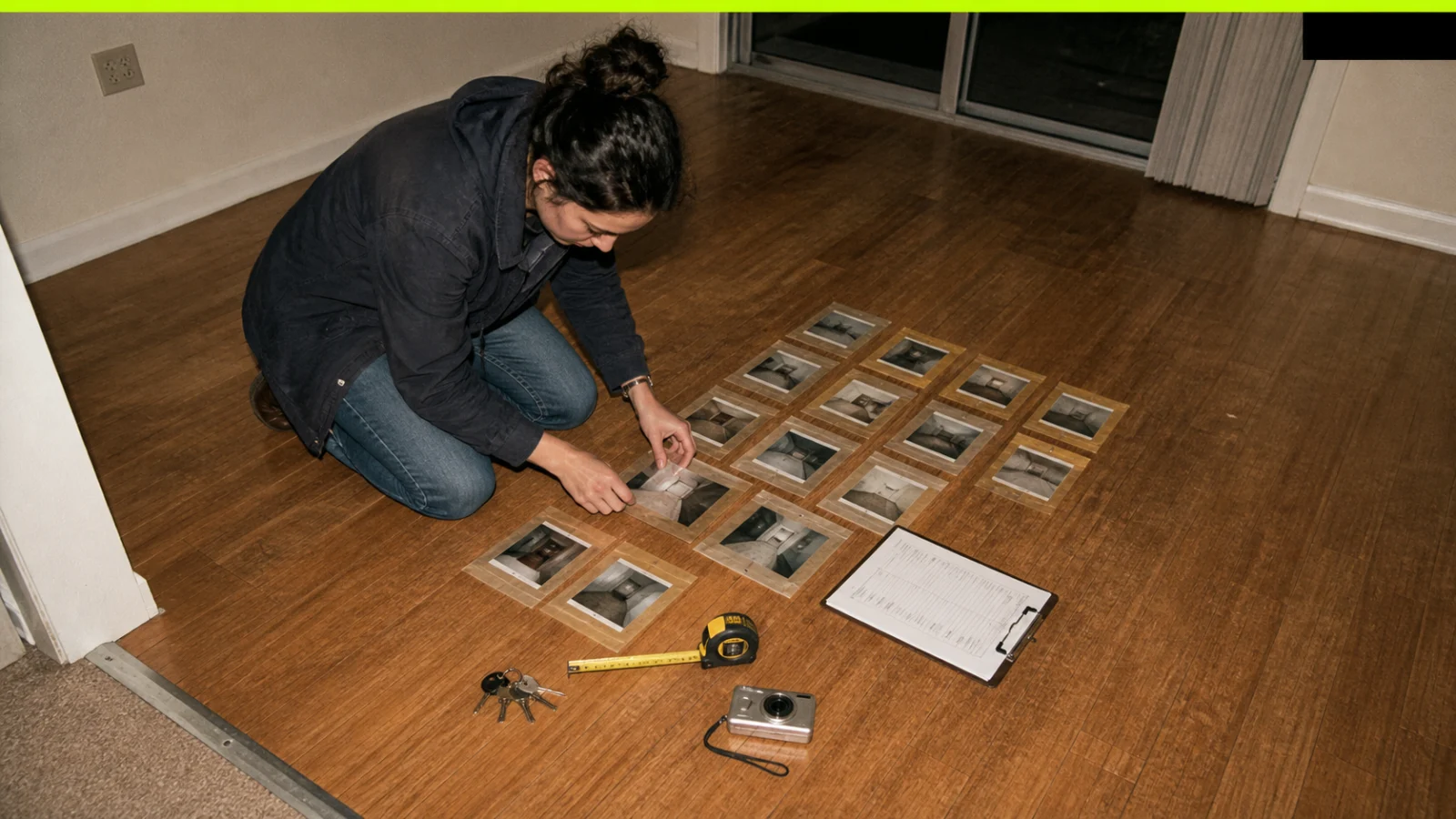
- At move-out, send the forwarding address and preserve delivery proof.
If both sides point at each other
Ask each party in writing to state whether it transferred, received, returned, or deducted the deposit and on what date. Do not rely on phone assurances. A short, matched set of questions can reveal the missing handoff.
Get help identifying the responsible party
Successor-liability facts can become procedural, especially if the ownership entity changed or the sale involved foreclosure. A court self-help center or lawyer can help identify the proper party. RentClaw organizes the ownership notices and deposit record but does not select defendants.
Clear answers before your next step.
Can the old landlord keep my deposit after selling?+
The statute generally requires transfer to the successor or return to the tenant, subject to its procedures and lawful deductions.
Is the new owner responsible for the deposit?+
A successor can become responsible under section 1950.5. The transfer facts and statutory requirements matter.
What if I never received a transfer notice?+
Preserve the absence of notice, request a written accounting from both parties, and consider legal help if responsibility remains disputed.
Official sources used for this guide
- California Civil Code § 1950.5
- California Courts security deposit guide
- California Attorney General security deposit guide
This article provides general self-help information for California renters. It is not legal advice, does not create an attorney-client relationship, and does not predict the outcome of a dispute. Rules and local protections can change.