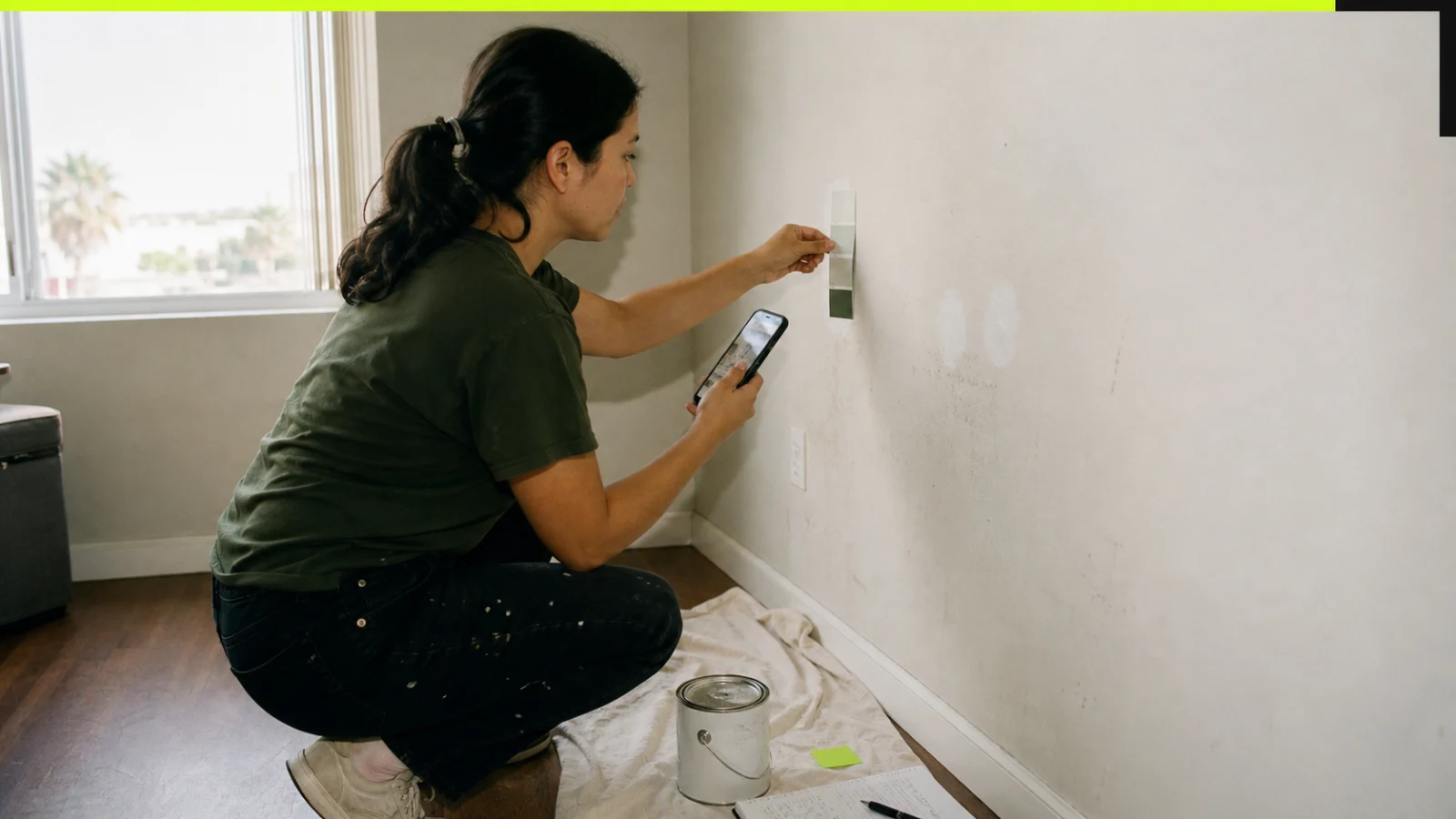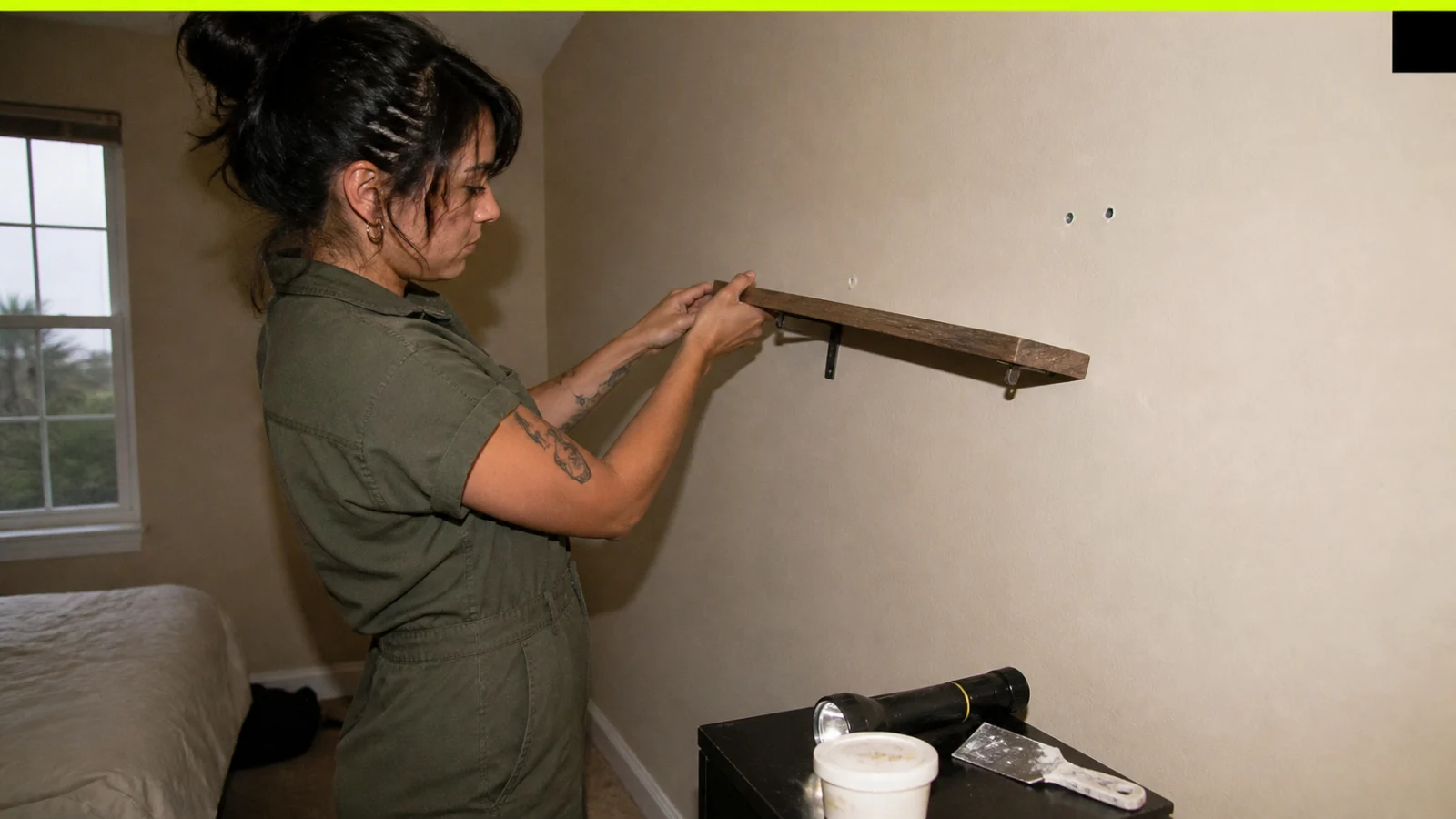
A California landlord may charge for nail holes only when the claimed work is reasonably necessary to repair tenant-caused damage beyond ordinary wear and tear. No statewide rule makes every nail hole automatically chargeable or automatically wear. Size, number, wall condition at move-in, tenancy length, lease terms, and the actual repair and painting scope can change the analysis.
A nail hole is a fact question, not an automatic fee
California Civil Code section 1950.5 allows a security-deposit claim for reasonably necessary repair of tenant- or guest-caused damage, but excludes preexisting conditions and ordinary wear and tear. The statute does not create a per-hole price or a blanket rule for picture-hanging marks.
A few tiny holes from ordinary decorating may present a different record from many anchors, torn drywall paper, large fastener holes, or holes left after a prohibited installation. That distinction should be supported with evidence, not just the words wall damage on a statement.
Compare the wall before deciding whether it is damage
Start with the wall at move-in. Existing patches, nail holes, uneven texture, faded paint, and prior touch-ups can limit what may reasonably be attributed to the departing tenant. Then compare the move-out wall from the same distance and angle if possible.
The Department of Real Estate guide discusses practical approaches to wall damage, but those examples are guidance rather than a statutory rule deciding every apartment. A court or negotiating party can weigh the actual photos, testimony, lease, and repair records.
- Number, diameter, and location of the holes
- Whether anchors, screws, adhesive, or torn drywall are involved
- Move-in paint and patch condition
- Length of the tenancy and ordinary use of the room
- Whether the claimed work was spot repair, one wall, or the entire unit
Audit the repair and painting amount separately
Even if some patching was justified, it does not automatically follow that repainting every room was reasonably necessary. Ask what was patched, how much labor was used, what materials were purchased, and why the claimed paint area was required to restore the starting condition.
For covered repair deductions, the itemized statement and supporting records can include photographs, contractor invoices, material receipts, or a description of landlord labor with time and a reasonable hourly rate. A new invoice supports cost, but does not by itself prove tenant causation or justify an upgrade over the move-in condition.
Run a five-step nail-hole audit
- Copy the exact wall or painting deduction and amount into a charge log.
- Place move-in, move-out, pre-repair, and post-repair wall photos in date order.
- Record the hole sizes, locations, prior patches, paint age if known, and relevant lease language.
- Match each labor and material line to the wall area actually repaired.
- Ask for a specific document or adjustment instead of asserting that all nail holes are wear.
Write a narrow, evidence-based response
Identify the disputed amount, acknowledge any condition you do not contest, and explain where the comparison or cost support is missing. For example, you might question whole-unit painting while leaving a documented patch charge open for review.
This approach does not guarantee that the landlord, mediator, or court will agree. It creates a clearer record and leaves room for facts that photographs may not fully show.
Clear answers before your next step.
Are small nail holes always normal wear in California?+
No automatic statewide rule resolves every small hole. The size, number, lease, tenancy length, starting wall condition, and work claimed can all matter.
Can a landlord repaint the whole apartment for nail holes?+
A landlord may claim only a reasonable amount necessary to restore the starting condition, excluding ordinary wear. Ask why patching or a narrower paint area would not address the documented damage.
What if there are no move-in wall photos?+
Use the move-in checklist, listing photos, maintenance messages, inspection notes, witness observations, and any records showing the wall or paint condition during the tenancy.
Official sources used for this guide
- California Civil Code § 1950.5
- California Courts security deposit guide
- California Attorney General security deposit alert
- California Department of Real Estate tenant guide
This article provides general self-help information for California renters. It is not legal advice, does not create an attorney-client relationship, and does not predict the outcome of a dispute. Rules and local protections can change.