Normal wear and tear is the ordinary deterioration that comes from reasonable residential use over time. California landlords generally cannot deduct for it or for preexisting conditions, but they may claim reasonably necessary costs for tenant-caused damage beyond ordinary wear. The difference depends on the facts, age, use, and condition evidence.
Wear is expected. Damage is a different question.
A rental is meant to be lived in. Surfaces age, finishes fade, and minor signs of ordinary use accumulate. California law excludes ordinary wear and tear from security deposit repair claims.
Damage usually involves something beyond that expected decline, such as a broken fixture, large unauthorized holes, burns, or a condition caused by misuse. There is no universal photo chart that decides every case. Context matters.
Use a four-part comparison
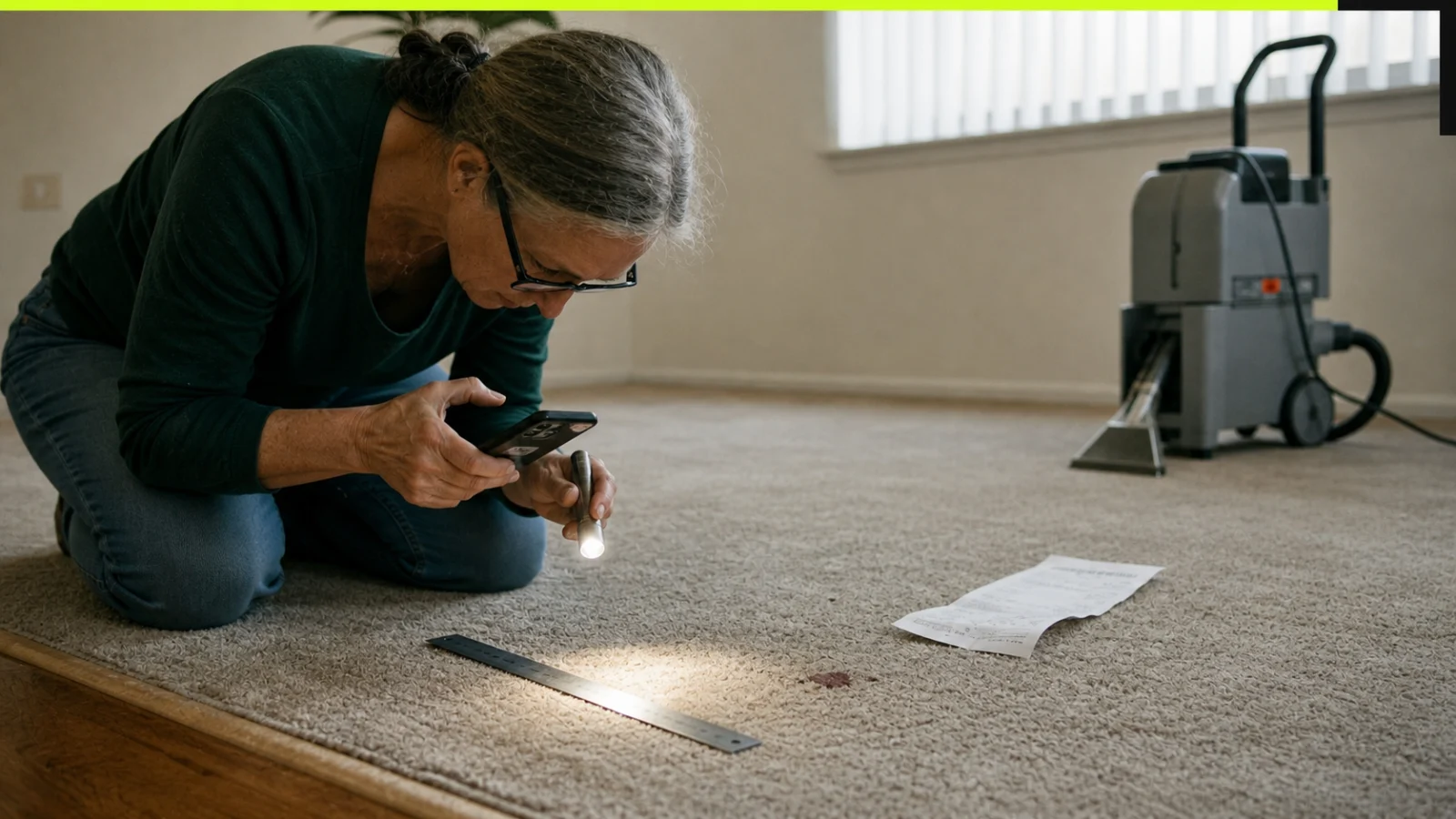
Labels are less persuasive than comparisons. For each disputed condition, organize the starting condition, ending condition, length of tenancy, and work claimed. This creates a factual frame without pretending that a generic example decides your apartment.
- Move-in condition, including age or existing marks
- Move-out condition shown from the same angle when possible
- Length of the tenancy and ordinary use of the area
- Specific repair, replacement, or cleaning claimed
Common areas of disagreement
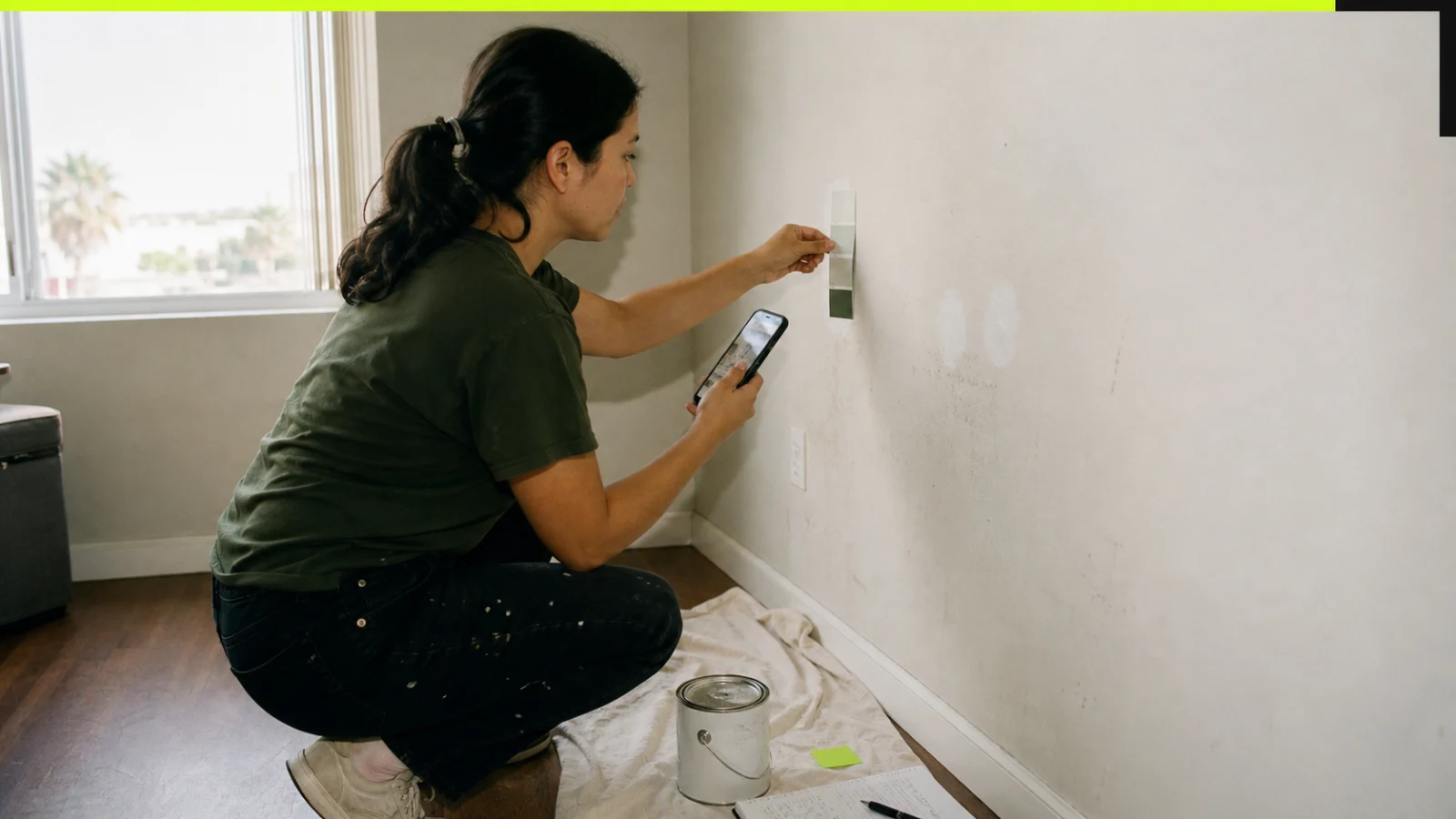
Paint, carpet, flooring, appliance surfaces, nail holes, and bathroom finishes often create disputes because they naturally change with time. Avoid absolute internet rules such as every nail hole is wear or every stain is damage. The actual condition and repair need still matter.
A full replacement charge can raise a separate question from responsibility. Even when a tenant caused damage, the age and prior condition of the item may matter to whether the amount claimed is reasonably necessary to restore the original condition rather than improve the unit.
Build evidence that makes the comparison obvious
Use original files when possible because they preserve dates and resolution. Group photos by room and surface. Add the move-in checklist, maintenance requests, landlord acknowledgments, and final inspection notes that explain what a photo alone cannot.
If you did not take move-in photos, look for other credible records: listing photos, inspection reports, messages about an existing issue, repair requests, or a witness who saw the condition. The absence of one ideal record does not mean you should abandon the chronology.
Respond to the charge, not the emotion
Feeling unfairly blamed is real, but the useful response connects evidence to the exact deduction. Identify the amount, describe the starting and ending condition, cite the supporting records, and state what adjustment or document you are requesting.
That structure moves the conversation from they are treating me like a fool to here is the record that needs an answer. It does not guarantee agreement, but it makes your position easier to evaluate.
Clear answers before your next step.
Are small nail holes normal wear and tear in California?+
There is no single statewide rule that decides every nail hole. Size, number, wall condition, lease terms, length of tenancy, and the repair claimed can all matter.
Can a landlord charge the full cost of an old item?+
A full replacement charge may raise reasonableness questions when the item was already aged or worn. Organize evidence of its starting condition, age, and the actual work performed.
What if I have no move-in photos?+
Use other credible records such as inspection reports, listing photos, maintenance messages, move-in checklists, or witnesses. Keep the evidence tied to the specific condition.
Official sources used for this guide
This article provides general self-help information for California renters. It is not legal advice, does not create an attorney-client relationship, and does not predict the outcome of a dispute. Rules and local protections can change.