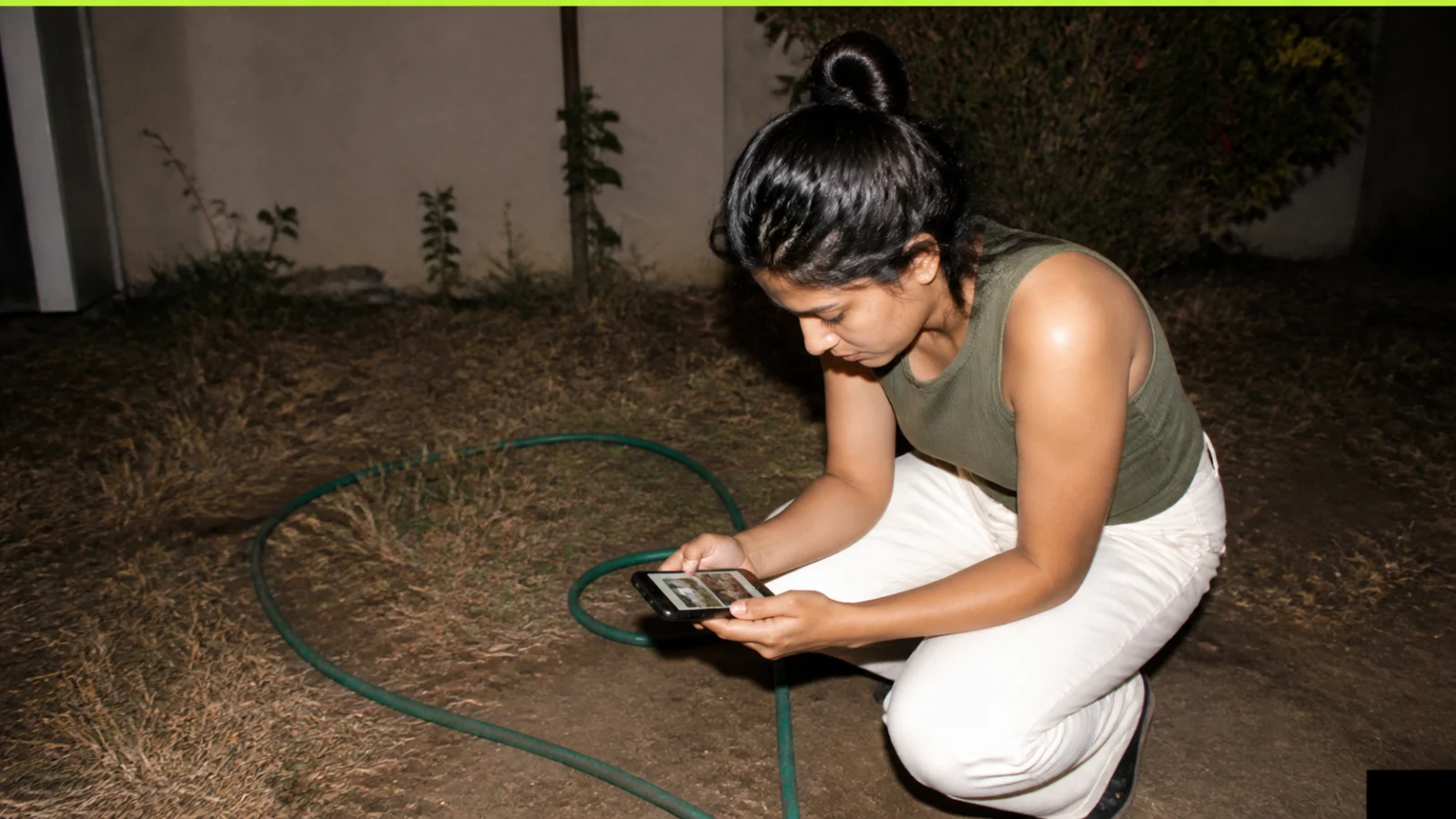
A California landlord may claim reasonably necessary costs for tenant-caused yard damage beyond ordinary wear or for an authorized lease obligation involving the rented premises or appurtenances. A landscaping deduction is not automatic merely because the yard changed. The lease, starting condition, assigned maintenance, weather, irrigation, notice, causation, work performed, and amount all matter.
Define the tenant's yard responsibility
Read the lease and any landscaping addendum closely. Mow and water is different from replacing plants, pruning trees, repairing irrigation, controlling pests, or maintaining a shared common area. Identify which area was part of the rented premises and which work remained the landlord's or an association's responsibility.
A lease duty can be relevant, but it does not automatically establish that every post-move-out landscaping invoice may be taken from the deposit. Section 1950.5 still requires a permitted purpose and a reasonably necessary amount.
Plants change for reasons unrelated to tenant fault
Seasonal cycles, heat, drought restrictions, storms, disease, pests, soil conditions, irrigation failure, and plant age can alter a yard. Tenant conduct may also cause damage through lack of agreed watering, unauthorized removal, vehicle traffic, pets, or misuse. Build a chronology that tests each explanation.
Messages reporting broken sprinklers, municipal watering limits, gardener visits, and landlord instructions can be as important as photographs. A dead plant at move-out does not, by itself, identify cause.
- Exact area and plant, lawn, hardscape, or irrigation component
- Move-in and seasonal condition during the tenancy
- Lease-assigned tasks and landlord instructions
- Weather, watering restrictions, pests, and reported defects
- Date and scope of corrective landscaping work
Separate restoration from routine maintenance or improvement
A final mowing or ordinary seasonal service may be routine turnover unless the tenant failed a specific obligation and extra work became necessary. Replacing one damaged shrub differs from redesigning a bed, installing new irrigation, or upgrading the whole yard.
Ask the gardener or invoice to identify labor, materials, quantities, and affected areas. Compare post-work photos to determine whether the project restored the starting condition or included an improvement not reasonably attributable to the tenant.
Run a yard-charge audit
- Mark the tenant-controlled and shared areas on a simple property map.
- List each lease duty and the evidence of performance or notice of a problem.
- Create a dated photo and weather or irrigation timeline for each disputed area.
- Match gardener labor and materials to documented tenant-caused conditions.
- Separate routine maintenance, repair, replacement, and improvement amounts.
Keep causation qualified
If the record supports missed mowing but not plant replacement, say so. If irrigation failure was reported and never repaired, identify that chronology without claiming it conclusively decides every charge.
Landscape disputes can require technical or local evidence, especially for mature plants or irrigation systems. The audit creates a usable record; it does not guarantee a refund or other legal outcome.
Clear answers before your next step.
Can a landlord charge for dead plants?+
Potentially, if the tenant had a relevant duty, caused the loss, and the replacement amount was reasonably necessary. Plant age, season, irrigation, disease, and prior condition can affect the analysis.
Can routine gardener service be deducted?+
Routine ownership or turnover maintenance is not automatically a tenant charge. Review the lease duty, whether extra work was caused by a default, and the actual service performed.
What if the sprinkler system was broken?+
Preserve repair requests, landlord responses, water records, and photos. A documented irrigation defect may challenge causation, but the timing and tenant's own duties still matter.
Official sources used for this guide
- California Civil Code § 1950.5
- California Courts security deposit guide
- California Attorney General security deposit alert
- California Department of Real Estate tenant guide
This article provides general self-help information for California renters. It is not legal advice, does not create an attorney-client relationship, and does not predict the outcome of a dispute. Rules and local protections can change.