Breaking a lease does not automatically erase a California security deposit. A landlord may apply security to lawful unpaid rent and qualifying condition charges, but must follow the deposit accounting rules. Rent liability can depend on the lease, re-rental efforts, and special statutory protections.
Separate three different questions
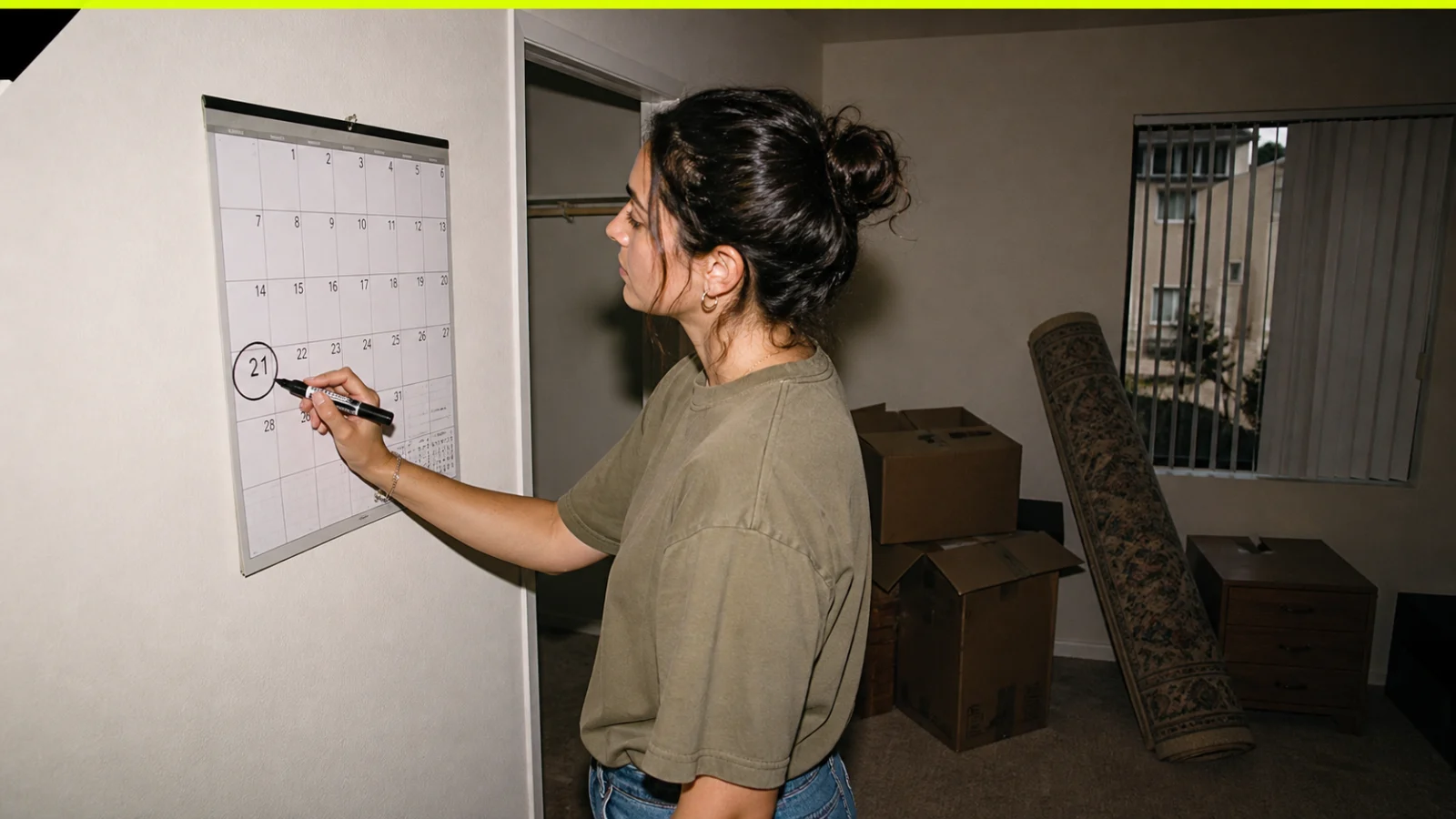
Combining all three into one unexplained balance makes the dispute harder to evaluate. Keep a timeline for notice, possession, keys, listing, re-rental, payments, and the 21-day accounting.
- When did the tenancy legally end?
- What rent, if any, remained unpaid after credits and re-rental?
- What physical-condition deductions are independently supported?
Early termination is not an automatic forfeiture
A lease clause or landlord message may call the deposit forfeited, but residential security remains governed by section 1950.5. The landlord must account for lawful uses rather than treating the deposit as a penalty by default.
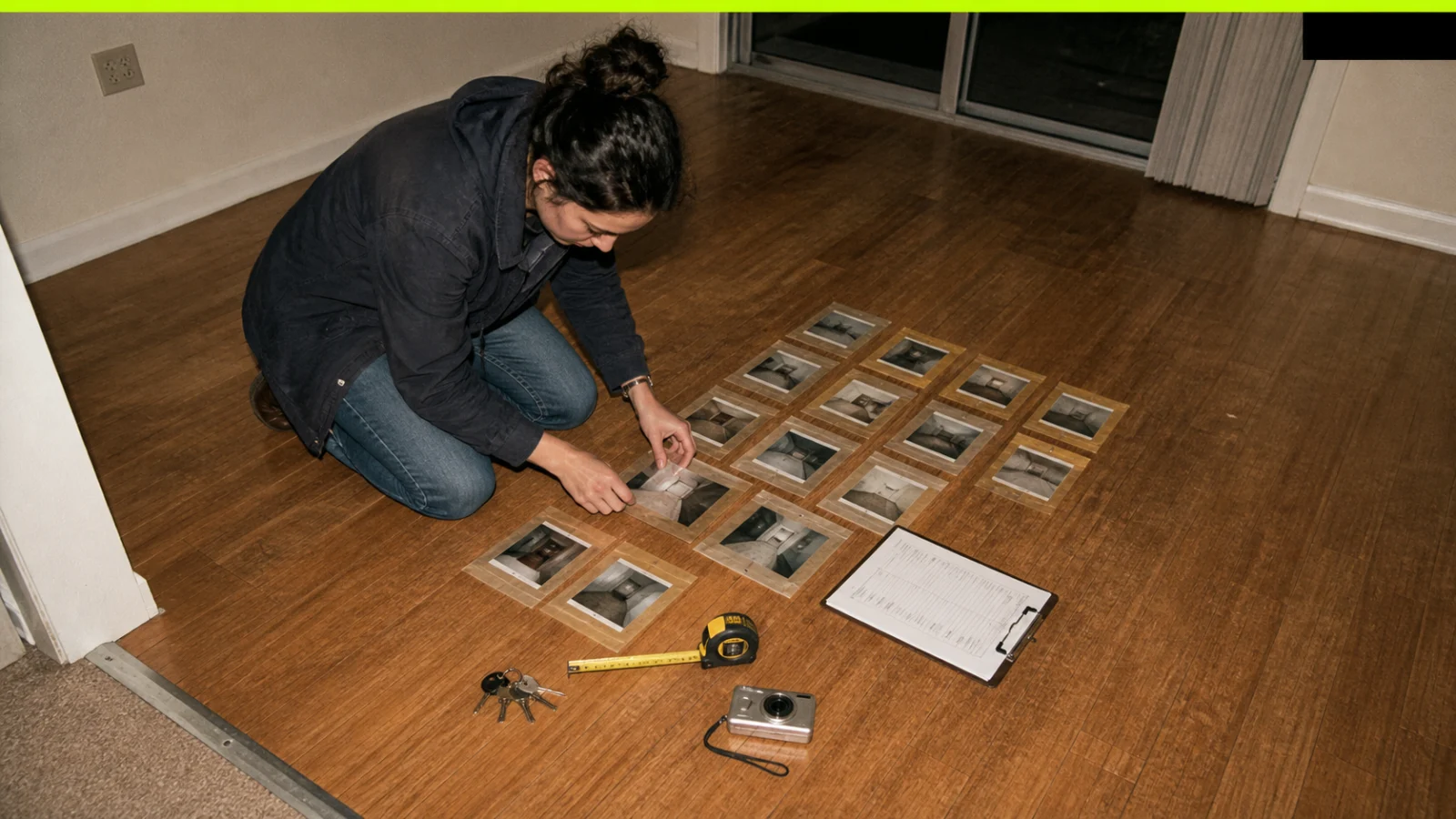
Document re-rental and credits
- Your written notice and stated move-out date
- Key-return or possession record
- Listing dates and communications about showings
- Date a new tenant took possession, if known
- Rent ledger, concessions, and credits
- The final itemized statement and refund
Special protections can change the analysis
California provides specific early-termination protections in circumstances including qualifying violence under Civil Code section 1946.7. California Courts notes that a landlord cannot use the deposit as a penalty or for rent after a properly protected termination in that situation. Seek qualified help when safety, military service, habitability, disability, or another statutory ground is involved.
Clear answers before your next step.
Do I automatically lose my deposit if I break the lease?+
No. The deposit must be applied and accounted for under California law, though lawful unpaid rent or damage may affect the balance.
Can the landlord charge rent after I leave?+
Potential liability depends on the lease, the legal basis for termination, mitigation, re-rental, and credits. Get advice for the specific timeline.
Does the 21-day rule still matter?+
Yes, but identifying the tenancy termination date can be more complex after an early move-out.
Official sources used for this guide
- California Civil Code § 1950.5
- California Courts security deposit guide
- California Attorney General security deposit guide
This article provides general self-help information for California renters. It is not legal advice, does not create an attorney-client relationship, and does not predict the outcome of a dispute. Rules and local protections can change.