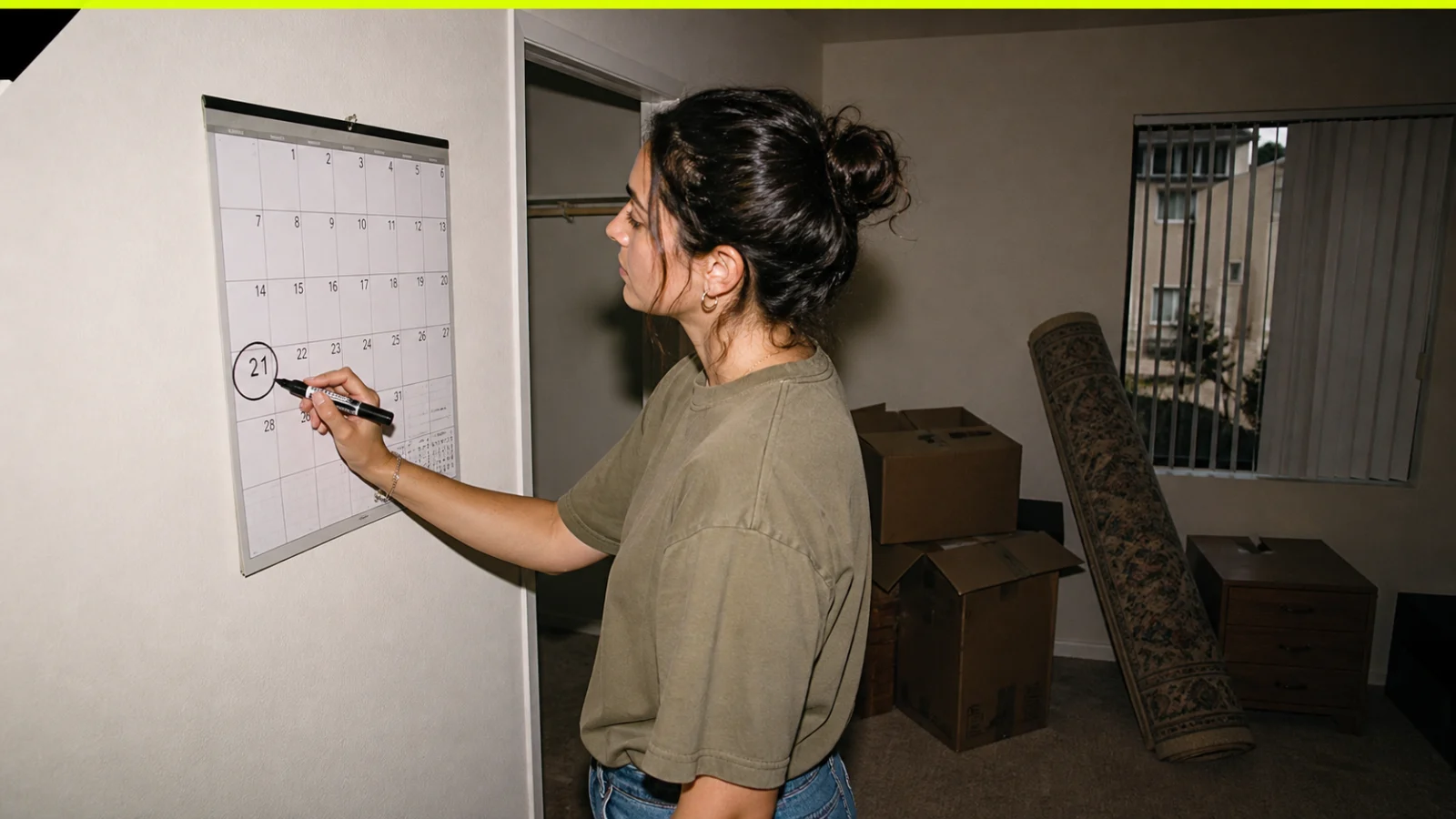
California Civil Code section 1950.5 generally limits a residential security deposit to one month's rent, with a narrow small-landlord exception. After the tenancy ends, a landlord generally has 21 days to send the balance and an itemized accounting, and may deduct only for purposes allowed by law.
The five rules most renters need
Each rule has details and exceptions. Treat this page as a map, then use the focused RentClaw guide that matches the issue in your accounting.
- Most residential deposits are capped at one month's rent, subject to a limited small-landlord exception.
- A deposit is refundable; a lease cannot make it nonrefundable.
- Deductions are limited to unpaid rent, qualifying cleaning, tenant-caused damage beyond ordinary wear, and restoration of covered landlord property.
- Tenants can request an initial inspection before moving out.
- The refund and accounting are generally due within 21 days after the tenancy ends.
What changed for 2026
AB 414 amended section 1950.5 effective January 1, 2026. Among other changes, the statute addresses electronic return when the tenant agrees and expands documentation rules involving photographs. Because older articles may describe prior procedures, check the date and the current statutory text.
Turn the law into a case file
RentClaw is designed for this translation layer: dates, documents, deductions, and a readable self-help packet. It does not decide whether a violation occurred or predict a court outcome.
- Record the tenancy end and key-return dates.
- Save the lease and proof of the deposit amount.
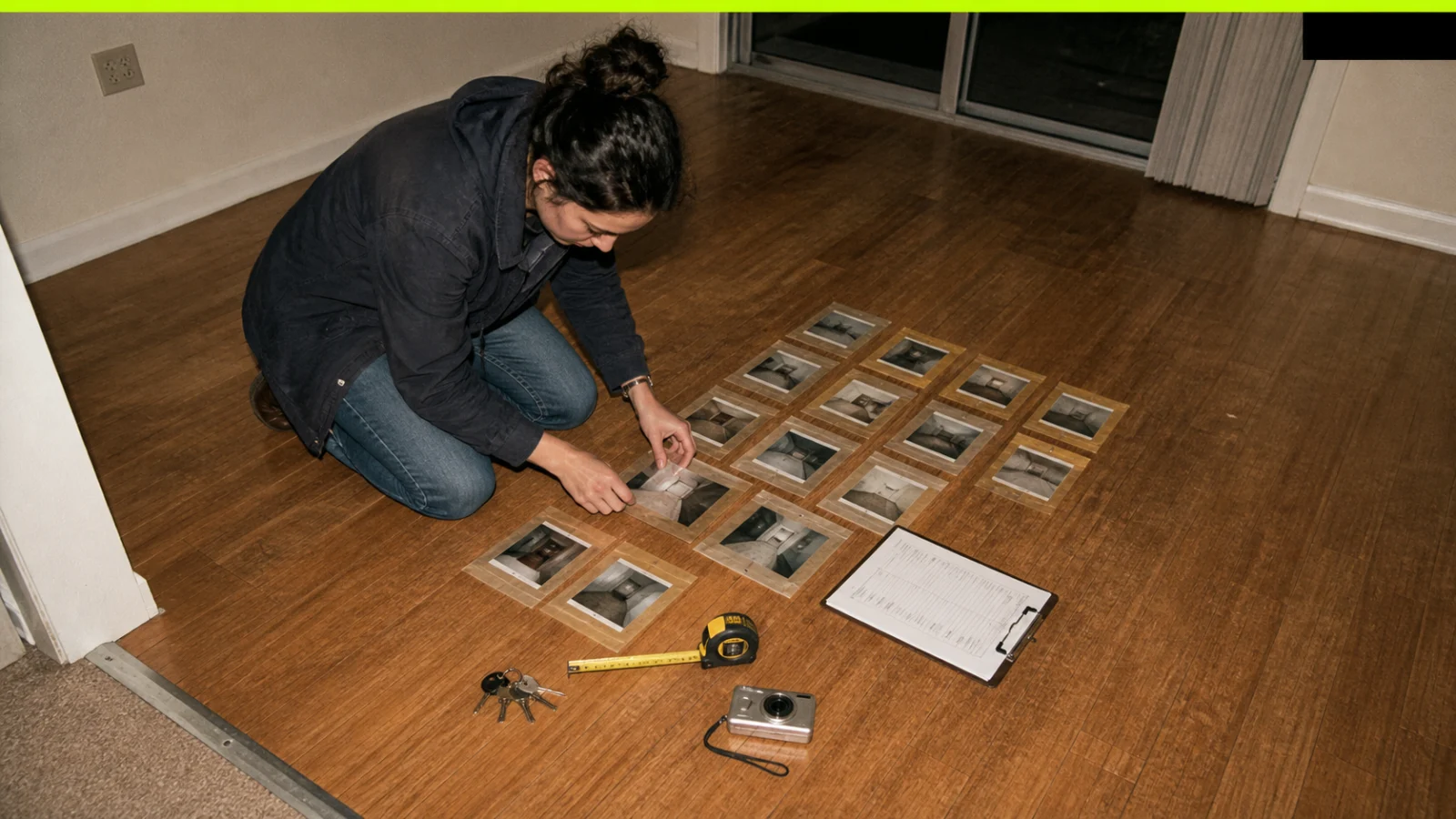
- Index move-in, inspection, and move-out photos.
- Enter each deduction, receipt, estimate, and landlord photo in one table.
- Calculate the undisputed refund and the amount still questioned.
- Send a precise written request and preserve delivery proof.
Where to go next
The strongest next step is usually the narrowest guide that matches the actual disagreement.
- Use the 21-day guide for timing.
- Use the deductions guide for cleaning, damage, carpet, and paint.
- Use the evidence checklist for photos, messages, and receipts.
- Use the demand-letter guide when the accounting remains unresolved.
Clear answers before your next step.
What is the main California security deposit statute?+
California Civil Code section 1950.5 governs residential security deposits and should be checked in its current form.
Can a California lease call a deposit nonrefundable?+
No. California law treats residential security as refundable, minus deductions lawfully taken and supported.
Does every deposit dispute mean the landlord broke the law?+
No. The documents, timing, condition evidence, deductions, and any applicable exception must be evaluated. RentClaw helps organize those facts but does not make a legal determination.
Official sources used for this guide
- California Civil Code § 1950.5
- California Courts security deposit guide
- California Attorney General security deposit guide
This article provides general self-help information for California renters. It is not legal advice, does not create an attorney-client relationship, and does not predict the outcome of a dispute. Rules and local protections can change.