Effective January 1, 2026, California generally requires an electronic security deposit refund when the landlord received the deposit or rent electronically, unless the landlord and tenant agree in writing to another method. The tenant must designate the receiving account in writing, and other electronic methods require written agreement.
When electronic return is the default
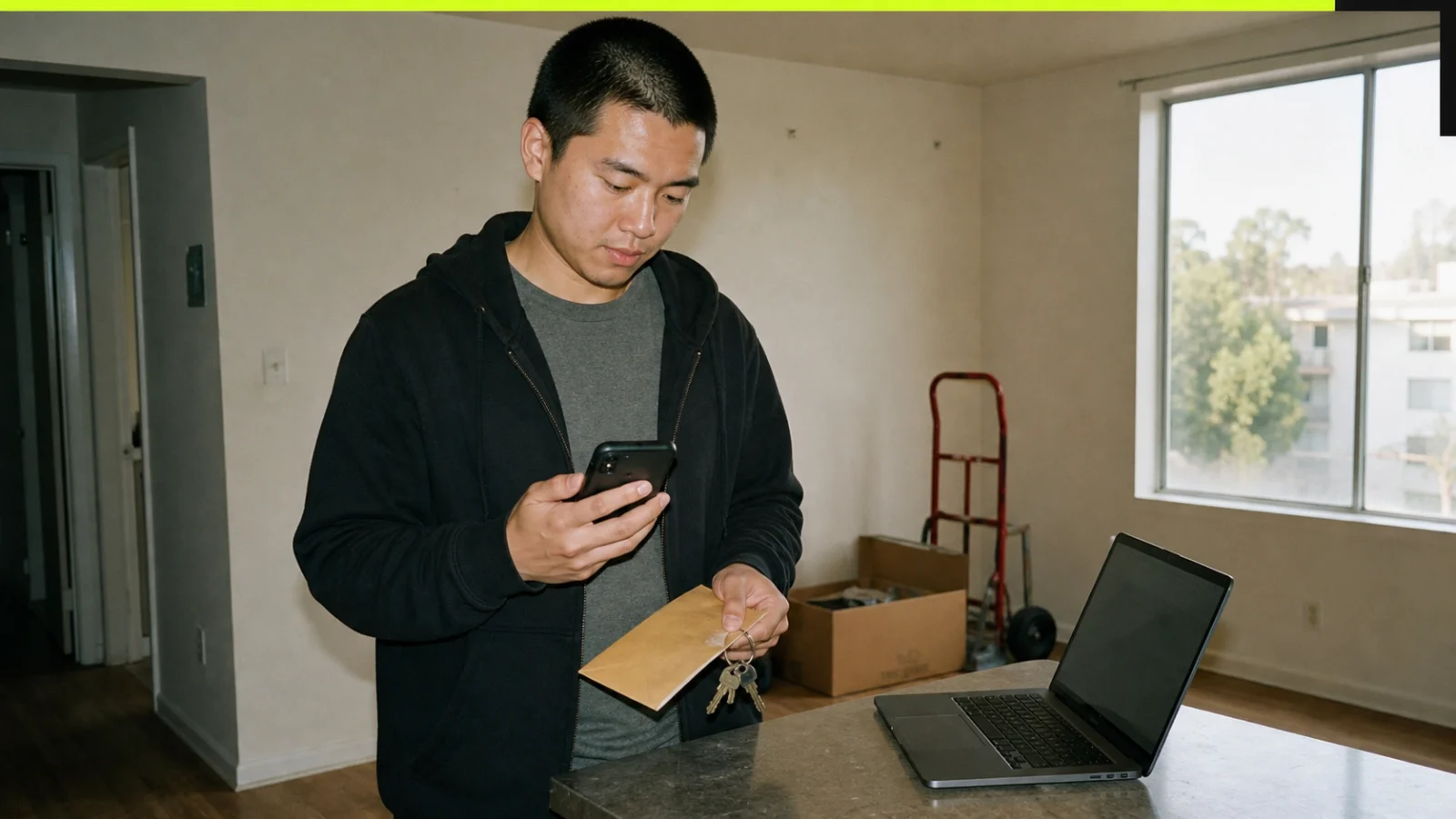
Under the 2026 version of Civil Code section 1950.5, a landlord who received the security deposit or rental payments electronically generally returns the remaining security electronically to an account designated by the tenant in writing. Another electronic or virtual method can be used if the tenant agrees in writing.
The parties can also make a written agreement for another return method, such as personal delivery or a mailed check. Keep that agreement with the final accounting because it explains why the refund arrived through a different channel.
The notice about electronic return
When the electronic-return rule applies, the landlord generally must notify the tenant in writing of the right to receive the deposit electronically within a reasonable time after notice of termination or before the lease ends. Some exceptions apply, including when the parties already selected another method in writing.
A practical move-out file should preserve the notice, the tenant's written account designation, the actual transfer confirmation, and the itemized statement. Treat them as separate records even when they arrived in one email thread.
Can the itemized statement be emailed?
The landlord and tenant may mutually agree to have the itemized statement emailed to an account provided by the tenant. The statute also permits an agreed first-class mailing to an address the tenant provides.
Consent matters. Save the message or lease clause showing the agreed delivery method, not just the email that later arrived. If no agreement exists, the default statutory delivery rules may matter.
What changes for roommates and multiple tenants
When multiple adult tenants reside in the unit, the default rule is generally a check payable to all adult tenants on the rental or lease agreement, with the itemized statement delivered to one adult tenant chosen by the landlord. A written agreement signed by the landlord and all adult tenants can specify a different allocation and delivery method.
That agreement can identify one tenant, divide the refund by percentages, and designate bank accounts or mailing details. Roommates should resolve the allocation in writing before the refund is due rather than waiting for a multi-party check to expose an old disagreement.
What has not changed
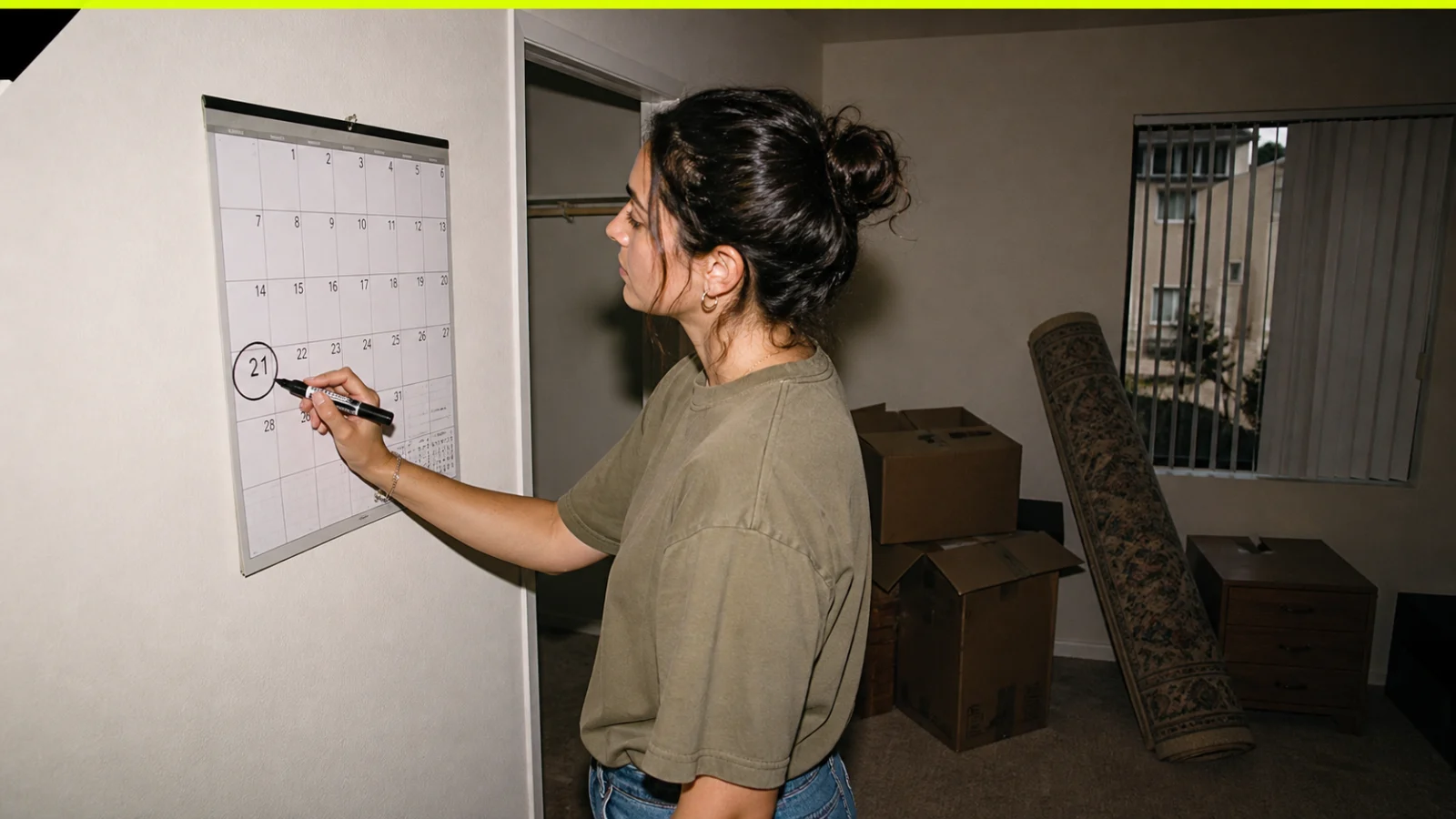
The electronic-return amendments change how money and documents may be delivered. They do not erase the 21-day accounting timeline, the limits on deductions, or the supporting-document requirements.
Build one timeline containing the move-out date, notice of refund rights, selected delivery method, itemized statement, transfer or check, and supporting records. That makes a modern electronic return as reviewable as a paper packet.
Clear answers before your next step.
Can a California landlord still mail a check in 2026?+
Yes in some situations. A mailed check remains a default method when the electronic-payment condition does not apply, and the parties may agree in writing to another method even when it does.
Can roommates split the refund electronically?+
A written agreement signed by the landlord and all adult tenants can specify allocation percentages and electronic accounts for multiple tenants.
Does email delivery restart the 21-day deadline?+
No. The delivery method does not create a new general deadline. The 21-day timeline still runs from the tenant vacating the premises.
Official sources used for this guide
This article provides general self-help information for California renters. It is not legal advice, does not create an attorney-client relationship, and does not predict the outcome of a dispute. Rules and local protections can change.